Tuesday, November 26, 2024

How to Make Your Ex Want to Come Back: Steps to Rekindle the Relationship

How to Make Your Ex Want to Come Back: Steps to Rekindle the Relationship

How to Make Your Ex Want to Come Back: Steps to Rekindle the Relationship

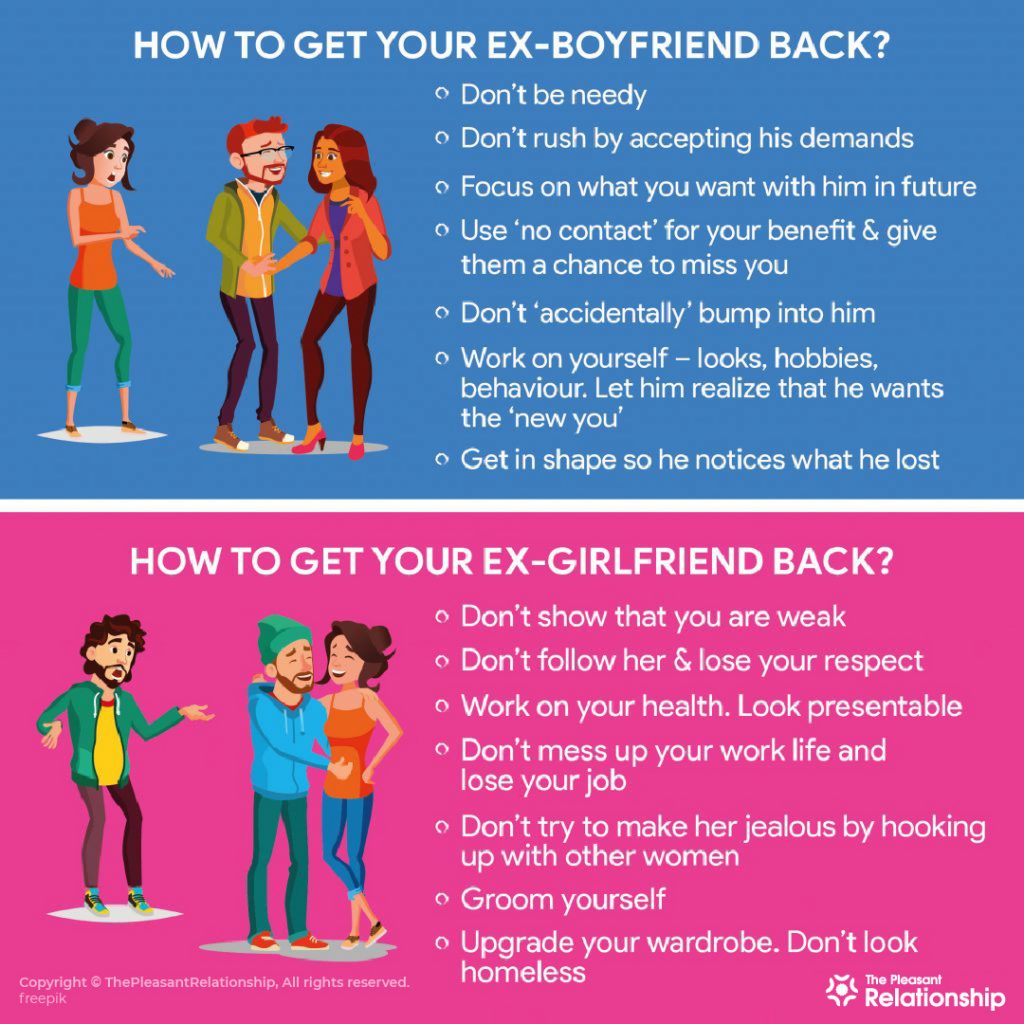
Okay, so your relationship ended. Heartbreak sucks, I know. But you're here, reading this, which means you're not giving up hope. You want your ex back, and that's totally valid. There's no magic spell or guaranteed formula, but there are definitely things you can do to increase your chances of rekindling the flame. This isn't about manipulation; it's about self-improvement and creating a better you â€" someone your ex might regret losing.

Important Disclaimer: Before we dive in, let's be real. Sometimes, relationships end for good reasons. This process isn't about forcing someone to be with you if they don't want to be. It's about giving yourself the best chance of reconciliation if both of you are genuinely open to it. If your relationship ended due to abuse (physical, emotional, or otherwise), prioritizing your safety and well-being is paramount. Seek help from friends, family, or professionals. This guide is for healthy relationships that ended for other reasons.

Step 1: Give Yourself (and Them) Space

This is the hardest part, I get it. You want to reach out, text, call, maybe even show up at their doorstep (don't do that!). But resist the urge! Give both of you some time and space to process what happened. This period of separation allows for emotional healing and perspective. Think of it as hitting the reset button. Constantly contacting your ex will likely only push them further away.

How much space is enough?

There's no magic number of days or weeks. It depends on the length and intensity of your relationship and the reason for the breakup. A few weeks to a couple of months is often a good starting point. Focus on yourself during this time.

Step 2: Reflect and Grow

This is crucial. Don't just wallow in sadness. Use this time to reflect on what went wrong in the relationship. What were your contributions to the issues? What could you have done differently? Be honest with yourself, even if it's painful. This self-reflection is key to personal growth and becoming a better partner in the future â€" whether it's with your ex or someone else.

Identify Your Mistakes (and Learn From Them)

Maybe you were too clingy, too distant, too controlling, or maybe you had communication issues. Whatever it was, acknowledge your role in the problems. Creating a plan to address these issues is vital. This isn't about blaming yourself, it's about taking responsibility for your actions and making positive changes.

Step 3: Focus on Self-Improvement

This isn't about becoming someone you're not to impress your ex. It's about becoming the best version of yourself. What are your passions? What are your goals? What makes you happy? Dedicate this time to pursuing your hobbies, improving your physical and mental health, and working towards your ambitions.

Examples of Self-Improvement:

  • Join a gym or start a fitness routine.
  • Take up a new hobby â€" painting, pottery, coding, whatever sparks your interest.
  • Read books or listen to podcasts that promote personal growth.
  • Spend time with loved ones and reconnect with old friends.
  • Focus on your career or education.

Step 4: Reconnect (Subtly)

After a period of no contact (remember, give it time!), you can start to reconnect subtly. This doesn’t mean bombarding them with messages. Think “accidental” encounters, a friendly comment on a social media post, or a casual "hello" if you happen to run into each other. The goal is to show them that you're doing well and have moved on, but also that you're still friendly and approachable.

Avoiding Overdoing It

The key is subtlety. Don't make it obvious you're trying to get them back. Keep interactions brief and lighthearted. If they seem receptive, great! If not, respect their space and back off again.

Step 5: Show, Don't Tell

Actions speak louder than words. Instead of explicitly telling your ex you've changed, *show* them. Let your actions and behavior demonstrate the positive changes you've made. This is far more convincing than any declaration of improved character. Let your actions paint a picture of the new and improved you.

Examples of Showing, Not Telling:

  • Maintain a healthy lifestyle and share glimpses of it on social media (without being boastful).
  • Share your accomplishments subtly â€" mention a promotion at work or a successful project.
  • Be happy and content in your own life â€" your positivity will be infectious.

Step 6: The Potential Reunion

If everything goes well, your ex might eventually reach out or express interest in reconnecting. If this happens, approach the situation calmly and cautiously. Don't rush things. Take your time to rebuild trust and understanding. Be honest about your growth and address any lingering issues from the past. Remember, a successful reconciliation requires both parties to be committed to making it work this time.

Step 7: Acceptance

And finally, the most important step: accept the outcome. Even if you follow all these steps perfectly, there's no guarantee your ex will want to get back together. You have to be prepared for the possibility that they won't. This is hard, but it's essential for your emotional well-being. Remember, you deserve happiness, whether it's with your ex or someone new.

Frequently Asked Questions (FAQs)

Q: How long should I wait before contacting my ex?

A: There's no magic number. A few weeks to a couple of months is often recommended, depending on the severity of the breakup and the dynamics involved. Focus on yourself during this period.

Q: What if my ex is dating someone else?

A: If your ex is in a new relationship, it's best to respect their current situation. Focus on your own healing and growth. Trying to interfere or win them back from their current partner is unlikely to succeed and could cause more heartache.

Q: What if my ex is being unresponsive?

A: If your ex is not responding to your attempts to reconnect, respect their wishes and give them space. It’s important to accept their decision, even if it’s painful. Continue focusing on your own self-improvement.

Q: Is it okay to be friends with my ex?

A: Possibly, but only if both of you are genuinely ready and willing to maintain a platonic relationship. It's crucial to establish clear boundaries and manage expectations. It might take time to transition to a friendship, and it may not always be possible.

Q: What if I don't think I've done anything wrong?

A: Even if you believe you were not at fault, relationships are rarely one-sided. Consider whether there were aspects of the relationship that could have been improved, even if they weren't your primary responsibility. Self-reflection often reveals areas for growth, regardless of who initiated the breakup.

Q: What if I get back together with my ex, and things go wrong again?

A: Be prepared for the possibility of another breakup. Reconciliation is not a guarantee of a lasting relationship. However, the time spent on self-improvement and reflection can help you navigate future relationships more successfully, regardless of the outcome.

How to Get Your Ex-Girlfriend Back After She’s Moved On: How to Reconnect

How to Get Your Ex-Girlfriend Back After She’s Moved On: How to Reconnect

How to Get Your Ex-Girlfriend Back After She’s Moved On: How to Reconnect

Okay, so your ex-girlfriend has moved on. It stings, right? Like a really, really bad paper cut that just won't stop bleeding. You’re probably feeling a mix of emotions â€" regret, hope, maybe even a little anger. But before you start crafting elaborate grand gestures (please don't), let's talk realistically about getting your ex back *after* she's moved on. It's a tough road, but not impossible. This isn't a guaranteed win, but it's a guide to navigate the tricky terrain with a little more grace and a lot less desperation.

Understanding the "Moved On" Situation

First things first, we need to define "moved on." It's not just about her having a new boyfriend (though that's certainly a factor). It's about her emotional state. Has she genuinely processed the breakup? Does she seem happy and content, even without you? If the answer is a resounding yes, getting her back will be exponentially harder. This isn't to discourage you, but to be realistic about the challenges ahead. We're aiming for a genuine reconnection, not a forced reunion.

Signs She's Truly Moved On:

  • She's happy and actively pursuing her own goals and interests.
  • She's comfortable talking about the relationship without excessive emotion (positive or negative).
  • She's dating other people or showing interest in other romantic prospects.
  • She's removed all traces of you from her social media.
  • She's genuinely happy and fulfilled in her life without you.

The First Step: Self-Reflection

Before even thinking about contacting your ex, you need to do some serious soul-searching. Why did the relationship end? Were there issues on your part? What have you learned from the breakup? Honest self-reflection is crucial. If you don't understand why things went wrong, you're doomed to repeat the same mistakes. This isn't about blaming yourself, but about taking responsibility for your actions and growing as a person.

Questions to Ask Yourself:

  • What were my biggest flaws in the relationship?
  • What did I do that contributed to the breakup?
  • What have I done to improve myself since the breakup?
  • Am I ready to commit to a healthy and fulfilling relationship?
  • What changes am I willing to make to ensure a healthier relationship this time around?

Reconnecting with Your Ex (The Right Way)

Okay, you've done the self-reflection. Now, it’s time to consider reconnecting. The key here is to be genuine, respectful, and low-key. No grand gestures, no dramatic declarations of love. Think subtle, friendly, and respectful.

The Approach:

  • Reach out casually: A simple text or message, not a long, emotionally charged novel. Something like, "Hey, how are you doing? I was just thinking about [shared memory/mutual friend/interest]."
  • Listen more than you talk: The goal is to understand her current life and perspective, not to convince her to come back. Ask open-ended questions and genuinely listen to her answers.
  • Show, don't tell: Actions speak louder than words. Demonstrate the changes you've made through your actions and behavior.
  • Respect her boundaries: If she’s not receptive, don't push it. Respect her decision and give her space. Pushing too hard will only push her further away.
  • Focus on friendship (initially): Don't jump straight into romantic conversations. Build a genuine friendship first. This allows you to rebuild trust and show her the changes you've made.

The Long Game: Patience and Persistence

This is not a sprint, it's a marathon. Be patient. Reconciling with an ex who has moved on takes time, effort, and a whole lot of patience. It might take weeks, months, or even longer. Don't expect immediate results. Focus on building a connection, showing her the new and improved you, and respecting her space.

What to Expect:

  • She might be hesitant or unresponsive at first: Don't take it personally. Give her time and space to process.
  • Progress will be slow: Don't get discouraged by slow progress. Celebrate small victories along the way.
  • It might not work out: Even with your best efforts, she might not want to get back together. Accept this possibility and move on gracefully.

Commonly Asked Questions

Here are some frequently asked questions about getting your ex back after she’s moved on:

Q: Should I apologize for my past mistakes?

A: Yes, if you made mistakes, a sincere apology is important. However, avoid overly long or dramatic apologies. Keep it concise, genuine, and focus on taking responsibility for your actions.

Q: How long should I wait before contacting her?

A: There’s no magic number. Give it some time â€" at least a few weeks, maybe even months â€" to allow both of you to process the breakup. The longer it’s been, the more time you need to show genuine change.

Q: What if she's dating someone else?

A: This makes things significantly harder. Respect her relationship. If you're still committed to reconnecting, focus on self-improvement and showing her the changes you've made without interfering in her current relationship.

Q: What if she doesn't respond to my attempts to reconnect?

A: Respect her decision. Don't bombard her with messages. Give her space and move on. It's tough, but it's crucial to respect her boundaries.

Q: What if I'm not sure if she's truly moved on?

A: Observe her behavior. Look for signs of happiness and contentment in her life. If she seems genuinely happy and fulfilled without you, it’s a stronger indication she's moved on.

Remember, getting your ex back after she's moved on is a challenging but not impossible task. Focus on self-improvement, genuine connection, and respecting her boundaries. Good luck!

Top Romantic Gestures to Win Her Heart Again

Top Romantic Gestures to Win Her Heart Again

Rekindling the Flame: Top Romantic Gestures to Win Her Heart Again

Relationships ebb and flow. Sometimes, the spark fades, and reigniting the passion requires conscious effort and thoughtful gestures. Forget the generic chocolates and flowers; true romance lies in understanding and demonstrating your love in meaningful ways. This article explores powerful romantic gestures that go beyond the superficial, aiming to reconnect you with your loved one on a deeper level and rekindle the flame of your relationship.

Acts of Service: Showing You Care Through Action

Forget grand declarations; sometimes, the most romantic gestures are the simplest acts of service. They demonstrate that you truly listen and understand her needs and wants. Instead of asking "What can I do?", observe her daily life and proactively address areas where she might need assistance. Does she constantly complain about overflowing laundry? Surprise her by tackling it all one afternoon. Is she stressed with work deadlines? Prepare her a relaxing bath with candles and essential oils. These small acts of service speak volumes, showing your love isn't just words, but actions that directly alleviate her burdens and show you value her time and well-being.

Quality Time: Unplugging and Reconnecting

In today's fast-paced world, uninterrupted quality time is a precious commodity. Plan a date night that focuses solely on the two of you, free from distractions. Turn off your phones, silence the notifications, and truly engage with her. Consider recreating your first date, revisit a place that holds special meaning, or simply cook a meal together and enjoy meaningful conversation. The key is to be fully present and attentive, listening deeply and making her feel heard and cherished. Remember, it's not just about *spending* time together; it's about *connecting* on a deeper level.

Creative Date Ideas for Quality Time:

  • Attend a cooking class together.
  • Go stargazing in a secluded spot.
  • Have a picnic in a beautiful park.
  • Visit a local art museum or gallery.

Words of Affirmation: Expressing Your Love Verbally

For some, hearing words of affirmation is the most powerful form of affection. Don't shy away from expressing your love, appreciation, and admiration openly and honestly. Write her a heartfelt letter expressing your feelings, or leave her a loving note before you leave for work. During your conversations, actively compliment her achievements, her strengths, and her unique qualities. Be specific and genuine in your praise; avoid generic compliments and focus on aspects you truly appreciate. These heartfelt words can profoundly impact her emotional well-being and strengthen your bond.

Gifts: Thoughtful Tokens of Affection

While material gifts shouldn't be the primary focus, a thoughtful present can be a powerful symbol of your love and appreciation. The key is to choose a gift that reflects her interests and personality, demonstrating that you truly know and understand her. Avoid generic or impersonal gifts; instead, think about something that she's been wanting or something that aligns with her hobbies or passions. The gesture shows that you pay attention to the small details, which is a testament to your love and commitment.

Physical Touch: The Power of Nonverbal Communication

Physical touch is a fundamental aspect of human connection. A simple hug, a tender kiss, or holding hands can convey deep affection and reassurance. During your time together, be mindful of physical affection; initiate spontaneous cuddles, offer a comforting touch when she’s feeling down, or simply hold her hand while watching a movie. These physical expressions of love strengthen the emotional bond and reinforce your connection on a deeper level. Remember, intimacy is more than just sexual; it encompasses all forms of physical closeness and affection.

Ultimately, winning her heart back requires genuine effort, understanding, and a willingness to adapt and grow together. By implementing these romantic gestures tailored to her specific love language, you’ll not only rekindle the flame but strengthen your relationship for years to come. Remember, consistency is key; these acts should be a continuous expression of your love and commitment, not just a one-time effort.

How to Decide If You Should Get Back with Your Ex

How to Decide If You Should Get Back with Your Ex

Should You Get Back With Your Ex? A Realistic Look

Okay, so you're thinking about getting back together with your ex. It's a big decision, and honestly, one of the most emotionally charged you'll ever make. There's a whirlwind of feelings â€" maybe some regret, longing, hope, fear â€" and it's totally understandable to feel overwhelmed. This isn't a lighthearted decision; it's a significant commitment, so let's break it down together.

Why Are You Considering This?

Before we dive into the pros and cons, let's get real about your motivations. Why are you even considering getting back with your ex? Be honest with yourself, even if it's uncomfortable. Are you lonely? Do you miss the convenience of the relationship? Or is there a genuine, deep-seated feeling that you want to try again, having learned and grown from the past?

Common Reasons (And Why They Might Not Be Enough):

  • Loneliness: While being alone can be tough, jumping back into a relationship just to avoid loneliness is a recipe for disaster. You need to address the root cause of your loneliness before committing to anything.
  • Regret: We all have regrets. But regret alone shouldn't be the driving force behind reuniting. Ask yourself: What specifically do you regret? Was it ending the relationship? Or something else entirely?
  • Missing the "Good Times": Remembering only the good times and conveniently forgetting the bad is a common pitfall. A healthy relationship requires facing both the highs and lows.
  • Pressure from Others: Don't let outside pressure influence your decision. This is your life, your heart, and your choice alone.
  • Genuine Love and a Desire to Work Through Issues: This is the most promising reason. If both of you have addressed the problems that led to the breakup, and you're both committed to making it work *this* time, it could be worth exploring.

Analyzing the Past Relationship

Let's dissect your past relationship. Honest self-reflection is key. Think about the reasons why it ended in the first place. Were there fundamental incompatibilities that were never resolved? Did trust issues plague the relationship? Was there infidelity, abuse, or consistent disrespect?

Red Flags That Should Make You Pause:

  • Abuse (physical, emotional, or verbal): This is a non-negotiable. No relationship is worth enduring abuse for.
  • Consistent Disrespect: If you were consistently disrespected or devalued, it's unlikely that will magically change.
  • Infidelity: While forgiveness is possible, it requires significant work and a demonstrable change in behavior. One slip-up could unravel everything.
  • Lack of Communication and Conflict Resolution Skills: Healthy relationships require open communication and the ability to resolve conflict constructively. Did you have these skills in your previous relationship?
  • Unrealistic Expectations: Did you enter the relationship with unrealistic expectations that ultimately contributed to the breakup?

Assessing the Present

It's not just about the past; it's also about the present. Have both of you changed since the breakup? Have you addressed the issues that led to the separation? Are you both in a better place emotionally and mentally? What's different now compared to then?

Questions to Ask Yourselves:

  • Have you both done the necessary self-reflection and personal growth?
  • Are you both willing to communicate openly and honestly?
  • Are you both committed to working through challenges as a team?
  • Have you both addressed the root causes of the previous breakup?
  • Do you have realistic expectations about the relationship this time around?

Looking Towards the Future

If you decide to give it another shot, what will the future look like? Do you have a clear vision for your relationship moving forward? Are your goals and values aligned? Are you both on the same page about the future you envision?

Consider These Aspects:

  • Shared Goals: Do you share similar life goals, such as family, career, and lifestyle?
  • Values: Do your core values align? This is crucial for long-term compatibility.
  • Commitment: Are you both fully committed to making this relationship work, putting in the effort required?
  • Support System: Do you have supportive friends and family who can help you navigate challenges?

The Final Verdict: A Decision Based on Honesty and Self-Awareness

Ultimately, the decision of whether or not to get back together with your ex rests solely with you. There's no magic formula or right answer. However, by honestly assessing your motivations, analyzing the past, and realistically looking towards the future, you can make a decision that's in your best interest. If you're unsure, consider seeking advice from a trusted friend, family member, or therapist. They can offer an objective perspective and help you navigate your feelings.

Frequently Asked Questions

  • Q: What if my ex is reaching out, but I'm not sure? A: Take your time. Don't feel pressured to respond immediately. Reflect on your reasons for considering reconciliation and discuss it with someone you trust.
  • Q: How long should I wait before considering getting back together? A: There's no set timeframe. Focus on personal growth and addressing the issues that led to the breakup. Time will help provide perspective.
  • Q: What if we get back together and it doesn't work out again? A: This is a possibility. The goal is to enter the relationship with self-awareness and a plan to address past issues. Acceptance of the possibility of failure is important for emotional health.
  • Q: Should I talk to my ex before deciding? A: It's often helpful to have an open and honest conversation to discuss past issues and expectations. However, it’s crucial to enter the conversation with a clear understanding of your own feelings and boundaries.
  • Q: Is it okay to seek professional help? A: Absolutely! A therapist can provide guidance and support as you navigate this complex decision and help you develop healthier relationship patterns.

Remember, this is a deeply personal decision. Prioritize your well-being and make the choice that feels right for you, even if it's not the easiest path.

Monday, November 25, 2024

Signs Your Ex Regrets Dumping You

Signs Your Ex Regrets Dumping You

Signs Your Ex Regrets Dumping You: A Comprehensive Analysis

The aftermath of a breakup can be emotionally turbulent, leaving one party questioning the decision and wondering if their ex harbors any regrets. While definitively knowing another person's feelings is impossible, certain behavioral and communicative patterns may suggest that your ex regrets ending the relationship. This analysis will explore these indicators, providing a nuanced understanding of potential regret and offering guidance on interpreting these complex signals.

Changes in Communication and Contact

A significant shift in communication style and frequency often serves as a primary indicator of potential regret. After a clean break, a sudden increase in contact, albeit indirect, can be telling. This section will detail the subtle yet significant changes you might observe.

Increased Indirect Contact

Instead of direct communication, your ex might employ indirect methods to reconnect. This could manifest as "accidental" encounters, likes or comments on social media posts, or even engaging with mutual friends to subtly inquire about your well-being. While these actions might seem insignificant in isolation, a pattern of such behavior suggests a desire for re-engagement, potentially born out of regret.

Attempts at Casual Conversations

Your ex might initiate conversations on seemingly trivial topics, aiming to establish a sense of casual rapport. These conversations might not directly address the breakup but rather serve as a tentative approach towards rekindling a connection. The topics chosen might revolve around shared interests, mutual acquaintances, or even seemingly innocuous everyday occurrences. The casualness is a deliberate attempt to gauge your responsiveness and potentially ease their way back into your life.

Subtle Inquiries About Your Life

Through mutual friends or carefully placed comments on social media, your ex might subtly inquire about your current life. This demonstrates a continued interest in your well-being and possibly reflects a sense of curiosity or even guilt about how their actions impacted you. These inquiries, if consistent and indirect, suggest a deeper underlying concern, which is often indicative of regret.

Changes in Behavior and Attitude

Beyond the realm of communication, significant behavioral shifts can also provide clues about your ex's emotional state. Observing these changes requires a careful and objective assessment, avoiding the temptation to interpret ambiguous actions solely through the lens of hopeful expectation.

Increased Social Media Engagement

If your ex previously avoided engaging with your social media presence, a sudden increase in likes, comments, or even direct messages could indicate a shift in their attitude. This behavior can signify a renewed interest in your life and a desire to maintain some level of connection, possibly stemming from regret over the breakup.

Positive Mentions of the Past Relationship

While carefully avoiding overtly sentimental reminiscing, your ex might make subtle positive references to aspects of your past relationship. This could include mentioning a shared memory fondly or casually praising a characteristic they once admired in you. These seemingly insignificant comments are actually carefully calibrated efforts to reignite positive feelings associated with the relationship.

Attempts at Jealousy Elicitation

Your ex might subtly attempt to evoke feelings of jealousy. This could involve sharing ambiguous details about their dating life or engaging in behaviors designed to garner attention from you. This behavior often stems from a desire to gauge your reaction and potentially test the waters for reconciliation, hinting at a regret for ending the relationship.

Direct Apologies and Expressions of Regret

While less common, direct expressions of remorse and apologies offer the most unambiguous evidence of regret. However, it's crucial to approach these expressions with caution, carefully analyzing the sincerity and motivation behind them.

Direct Apologies for the Breakup

A sincere apology specifically addressing the breakup, acknowledging their role in its failure, and expressing regret for their actions is a strong indicator of remorse. However, the sincerity of such an apology must be evaluated based on the context of the relationship and the ex's overall behavior.

Taking Ownership of Their Mistakes

A key component of a genuine apology is taking ownership of one's mistakes and acknowledging the negative impact they had on the relationship. This shows self-awareness and a willingness to learn from past errors, indicating a genuine regret for the actions that led to the breakup.

Expressing a Desire to Reconcile

A direct expression of a desire to reconcile, accompanied by a demonstrable willingness to work on the issues that led to the breakup, is perhaps the clearest indicator of regret. However, this expression must be viewed with caution, carefully weighing the ex's past actions and motivations.

Interpreting the Signs with Caution

It is crucial to approach the interpretation of these signs with caution and critical analysis. While these indicators may suggest regret, they do not definitively confirm it. Several factors must be considered:

  • The Ex's Personality and Communication Style: Some individuals naturally express themselves indirectly, making it challenging to determine intent.
  • External Factors: Life circumstances, such as loneliness or new relationships that have failed, may influence their behavior.
  • The Nature of the Breakup: A particularly acrimonious breakup may make genuine reconciliation difficult, even if regret exists.
  • Your Own Emotional State: It is essential to avoid projecting your desires onto their actions.

Ultimately, interpreting these signs requires careful consideration of the individual's behavior and the context of the relationship. While these indicators might suggest regret, it’s crucial to prioritize your own well-being and make decisions based on a realistic assessment of the situation. Focusing on personal growth and healing is paramount, irrespective of your ex's feelings.

The Psychology Behind Letting Go: Understanding Your Emotions

The Psychology Behind Letting Go: Understanding Your Emotions

The Psychology Behind Letting Go: Understanding Your Emotions

Okay, let's talk about something really tough but incredibly important: letting go. We all face situations where we need to release something â€" a relationship, a job, a dream, even a grudge. It’s rarely easy, and it often feels like we’re wrestling with a wild beast inside ourselves. But understanding the psychology behind why letting go is so hard, and how to actually *do* it, can make all the difference.

Why Letting Go Feels So Damn Hard

Before we dive into strategies, let’s acknowledge that letting go is inherently difficult. It's not just about a practical decision; it's a deeply emotional process. Our brains are wired to resist change, especially when that change involves loss.

The Grip of Attachment

We form attachments to people, places, and things. These attachments provide us with a sense of security, comfort, and belonging. When we’re faced with letting go, we’re essentially facing a loss, and our brains interpret loss as a threat. This triggers a cascade of emotional responses that can feel overwhelming.

Fear of the Unknown

Letting go often means stepping into the unknown. What will happen next? Will I be okay? These are natural questions, and the uncertainty can be incredibly anxiety-provoking. Our brains prefer predictability, even if the predictable situation is painful. The fear of the unknown often outweighs the discomfort of staying stuck.

The Illusion of Control

We often cling to things because it gives us a sense of control. Even if the situation is clearly unhealthy or unproductive, the familiar is comforting. Letting go feels like relinquishing control, and that can be terrifying. We believe we can somehow *make* things better by holding on, even if that's demonstrably false.

Emotional Baggage

Past experiences play a significant role. If you've had previous experiences where letting go felt like a failure or resulted in negative consequences, you might be more resistant to it this time around. These past experiences shape our beliefs and behaviors, making it harder to move forward.

Understanding Your Emotions: The Rollercoaster Ride

Letting go isn’t a linear process; it’s more like a rollercoaster. You'll experience a wide range of emotions, and it’s crucial to acknowledge and accept them rather than fight them. Here are some common emotions you might experience:

  • Sadness: This is a natural response to loss. Allow yourself to grieve what you’re letting go of.
  • Anger: You might be angry at yourself, the situation, or other people involved. Acknowledge this anger and find healthy ways to express it.
  • Fear: This is perfectly normal. Acknowledge your fears and gradually work on addressing them.
  • Guilt: You might feel guilty for letting go, especially if it involves a relationship. Try to separate guilt from responsibility.
  • Relief: As you begin to let go, you might also experience a sense of relief. This is a positive sign that you're making progress.

Remember, feeling these emotions doesn't mean you're failing. It means you’re processing and moving through a significant life change.

Strategies for Letting Go: Practical Steps

So, how do you actually *do* it? Letting go is a process, not a one-time event. Here are some strategies that might help:

Acknowledge and Accept Your Emotions

Don't try to suppress or ignore your feelings. Allow yourself to feel them fully. Journaling, talking to a trusted friend or therapist, or engaging in creative expression can all be helpful ways to process your emotions.

Challenge Negative Thoughts

Our thoughts often fuel our emotions. If you find yourself caught in negative thought patterns, challenge them. Ask yourself: Is this thought truly accurate? What evidence supports it? What's a more balanced way to look at the situation?

Practice Self-Compassion

Be kind to yourself. Letting go is difficult, and it's okay to struggle. Treat yourself with the same compassion you would offer a friend going through a similar experience.

Focus on Self-Care

Prioritize activities that nourish your mind, body, and soul. This might include exercise, healthy eating, spending time in nature, practicing mindfulness, or engaging in hobbies you enjoy.

Seek Support

Don't go through this alone. Talk to a trusted friend, family member, or therapist. Having a supportive network can make a huge difference in your ability to let go.

Reframe Your Perspective

Try to see letting go as an opportunity for growth and change, rather than a loss. What new possibilities might open up as a result of letting go?

Forgive Yourself and Others

Holding onto anger and resentment will only keep you stuck. Forgiveness, both of yourself and others, is a crucial step in letting go and moving forward.

Celebrate Small Victories

Letting go is a gradual process. Celebrate every step you take, no matter how small. Acknowledge your progress and reward yourself for your efforts.

Commonly Asked Questions

Here are some common questions I get about letting go:

Q: How long does it take to let go?

A: There’s no set timeframe. It depends on the situation, your personality, and the support you have. Be patient and kind to yourself throughout the process.

Q: What if I relapse?

A: Relapses are common. Don't beat yourself up if you find yourself clinging to something again. Acknowledge the setback, learn from it, and try again. It's a process, not a race.

Q: When should I seek professional help?

A: If you’re struggling to cope with your emotions, feeling overwhelmed, or if your attempts to let go are consistently unsuccessful, seeking professional help from a therapist or counselor is a good idea. They can provide guidance, support, and tools to help you navigate this challenging process.

Q: Is letting go the same as giving up?

A: No. Letting go is about consciously choosing to release something that no longer serves you, while giving up implies defeat or a lack of effort. Letting go can be an act of strength and self-preservation.

Letting go is a courageous act of self-care. Remember to be patient, kind, and understanding with yourself throughout the journey. You've got this!

Reconnecting with Old Friends After a Breakup

Reconnecting with Old Friends After a Breakup

Reconnecting with Old Friends After a Breakup: A Fresh Start

Heartbreak. That gut-wrenching, soul-crushing feeling that leaves you questioning everything. After a significant relationship ends, the world can feel drastically different. Suddenly, routines shatter, shared spaces become empty echoes, and the future, once painted with vibrant strokes of “us,” now appears as a blurry, uncertain landscape. During this vulnerable time, leaning on your support network is crucial, and often, that network includes friends you may have neglected during the relationship. Reconnecting with these old friends can be the lifeline you need to navigate this challenging transition and begin rebuilding your life.

Why Reach Out to Old Friends?

Your old friends offer a unique perspective. They knew you *before* the relationship, possessing a wealth of memories and inside jokes that predate the romantic entanglement. This pre-relationship history provides a comforting sense of familiarity, reminding you of who you were and who you still are, independent of your ex. They offer a different kind of love, a platonic love that is unwavering and supportive, free from the complexities and potential betrayals inherent in romantic partnerships. They can offer genuine emotional support, a listening ear without judgment, and a much-needed distraction from the constant rumination that heartbreak often triggers.

Navigating the Reconnection Process

Start Small, Think Big

Don't feel pressured to dive headfirst into elaborate plans. Begin with a simple text, a quick phone call, or a casual message on social media. A simple "Hey, how are you doing? It's been a while," can open the door to a renewed connection. Gauge their response; if they're receptive, you can gradually increase the frequency and depth of your interactions. This measured approach minimizes pressure and allows for a natural progression of your rekindled friendship.

Be Honest (But Not Overly Dramatic)

While you don't need to recount every detail of your breakup, being honest about needing support and companionship is perfectly acceptable. Frame your outreach positively, focusing on wanting to reconnect and catch up rather than dwelling on your heartbreak. For example, instead of saying "My relationship ended and I'm devastated," try "Hey, I've been thinking about you lately and would love to catch up. I've been going through some things, and your friendship would mean a lot." Remember to prioritize their feelings and avoid making them feel burdened by your emotional baggage.

Embrace the Unexpected

Be prepared for a range of reactions. Some friends might be thrilled to hear from you, while others might require more time or space. Respect their boundaries and don't take it personally if they're not immediately ready for a deep dive into your personal life. The goal is to rebuild connections, not force them. Some friendships might have naturally drifted apart, and that's okay. Accept that not every friendship will be easily rekindled.

Building Stronger Bonds

Once you've successfully reconnected with your old friends, actively nurture these relationships. Make time for them. Schedule regular coffee dates, movie nights, or weekend outings. Engage in shared activities that you both enjoy. Be a present friend, offering them the same level of support and understanding that you expect in return. Remember that strong friendships are reciprocal; invest time and effort into maintaining them, and you'll reap the rewards of a supportive and enriching social life.

Rebuilding your social circle after a breakup is a vital step in the healing process. By proactively reaching out to old friends, you are not only reclaiming your past but also actively creating a brighter future. You're investing in relationships that offer unconditional love, unwavering support, and a much-needed sense of belonging during a challenging time. Embrace the opportunity to reconnect, rebuild, and rediscover the joy of genuine friendships.