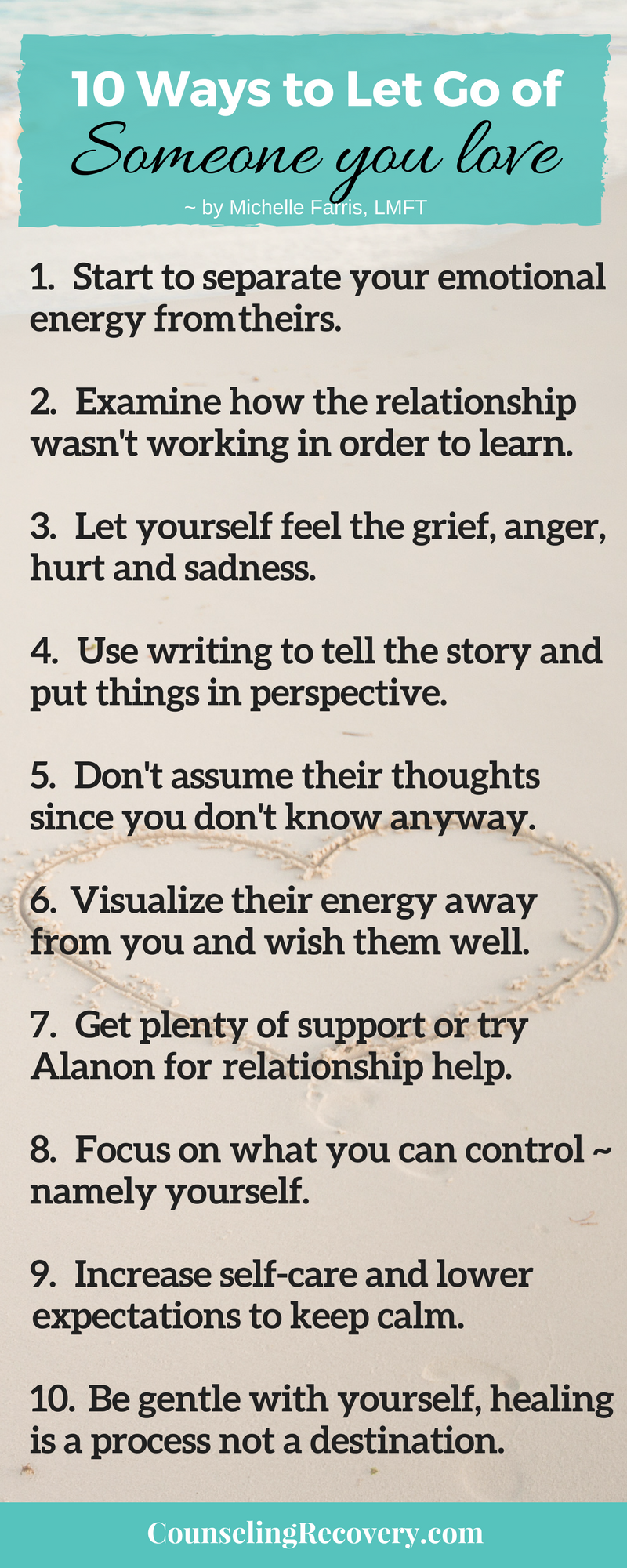
Letting Go of Someone You Care About Deeply: A Guide to Healing and Moving On
The profound pain of letting go of someone you care about deeply can be a debilitating experience. It's a journey that demands immense strength, resilience, and an unwavering commitment to self-care. This process is not linear, and it's essential to understand that there is no right or wrong way to grieve. While the emotions may feel overwhelming, it's crucial to remember that you are not alone, and healing is possible.
Understanding the Stages of Letting Go
Letting go is a process, not an event. It's a journey that involves navigating a range of complex emotions, including sadness, anger, denial, and acceptance. Acknowledging and understanding these stages can help you move forward with compassion and self-awareness.
Denial and Shock
This initial stage is often marked by disbelief and numbness. You may struggle to process the reality of the situation and may even try to rationalize or minimize the loss.
Anger and Bargaining
As the shock subsides, anger and frustration may surface. You might feel resentful toward the person, yourself, or circumstances. You may also engage in bargaining, hoping to change the past or negotiate a different outcome.
Sadness and Depression
This stage is characterized by deep sadness, grief, and loneliness. You may experience a sense of emptiness, and your usual activities may lose their appeal.
Acceptance and Moving On
While the pain may never fully disappear, acceptance marks a shift in perspective. You start to acknowledge the reality of the situation and begin to find a new sense of purpose and meaning in your life. It's important to note that reaching acceptance doesn't imply forgetting or diminishing the significance of the relationship. It's about finding a way to live with the loss.
Strategies for Letting Go
Navigating the complex emotions associated with letting go can feel overwhelming. However, various strategies can help you navigate this journey with greater ease and resilience.
Acknowledge and Validate Your Feelings
Suppressing or denying your emotions can prolong the healing process. Allow yourself to feel the pain, anger, and sadness. Be kind and compassionate towards yourself as you navigate this difficult time.
Seek Support and Connection
Reaching out to trusted friends, family, or a therapist can provide valuable support and a safe space to express your emotions. Sharing your experiences and listening to others can help you feel less alone.
Practice Self-Care
Taking care of your physical and mental well-being is crucial during this time. Engage in activities that bring you joy, such as exercise, spending time in nature, pursuing hobbies, or engaging in creative expression.
Engage in Mindfulness and Meditation
Mindfulness techniques, such as meditation and deep breathing exercises, can help you stay present in the moment and manage intrusive thoughts and emotions. These practices can also promote a sense of calm and inner peace.
Focus on Growth and Self-Discovery
While letting go can be painful, it also presents an opportunity for growth and self-discovery. Reflect on the lessons learned from the relationship and consider how you can apply them to your future relationships and life goals.
Practical Tips for Letting Go
In addition to the emotional and psychological strategies, certain practical tips can assist you in letting go:
Limit Contact
Excessive contact with the person you are trying to let go of can hinder your healing process. It's essential to create healthy boundaries and minimize contact to avoid prolonging the pain.
Remove Reminders
Surrounding yourself with reminders of the relationship can trigger painful emotions. Consider removing or storing away photos, gifts, or other objects that evoke strong memories.
Focus on Your Future
Dwell on the positive aspects of your future and the opportunities that lie ahead. Setting new goals, pursuing hobbies, and making plans for the future can help redirect your focus and energy.
Embrace the Unpredictability of Life
Letting go is about accepting that life is inherently unpredictable. You may not always get the outcomes you desire, but you have the power to choose how you respond to challenges and setbacks.
The Importance of Time and Patience
Letting go is a journey that takes time. Be patient with yourself and allow yourself to grieve and heal at your own pace. There is no set timeline for recovery, and everyone's experience is unique.
Seeking Professional Help
If you find yourself struggling to cope with the pain of letting go, it's essential to seek professional help from a therapist or counselor. They can provide you with personalized guidance, support, and tools to navigate this difficult time.
Conclusion
Letting go of someone you care about deeply is a challenging but ultimately transformative experience. It's a journey that requires self-compassion, resilience, and an unwavering belief in your ability to heal and move forward. Remember that you are not alone, and there is help available. By embracing the stages of letting go, practicing self-care, and seeking support, you can navigate this difficult time and emerge stronger and more resilient on the other side.
0 comments:
Post a Comment
Note: Only a member of this blog may post a comment.