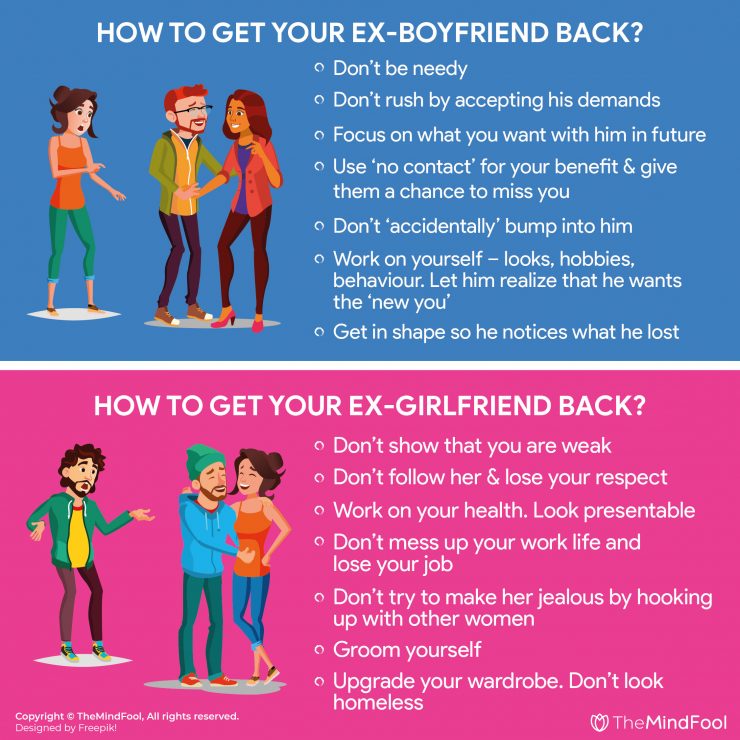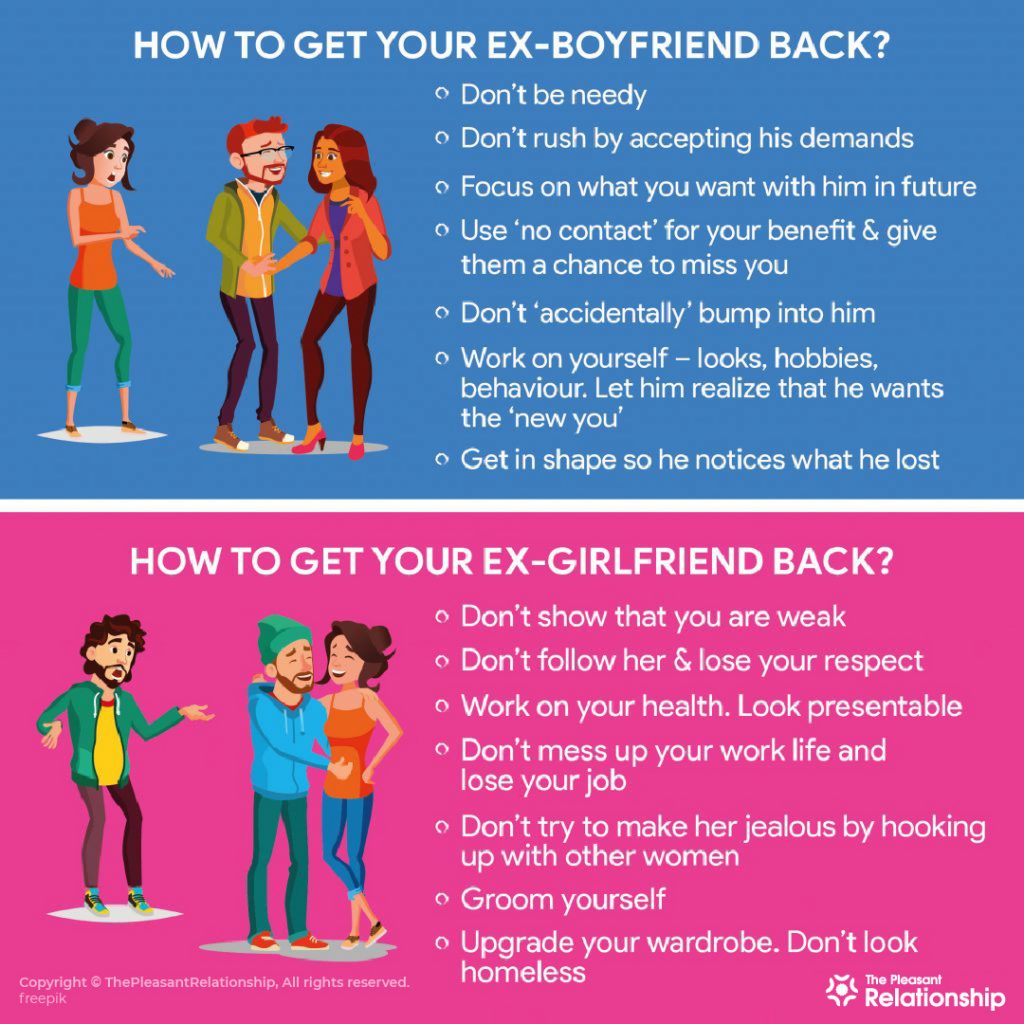
How to Make Your Ex Want to Come Back: Steps to Rekindle the Relationship
Okay, so your relationship ended. Heartbreak sucks, I know. But you're here, reading this, which means you're not giving up hope. You want your ex back, and that's totally valid. There's no magic spell or guaranteed formula, but there are definitely things you can do to increase your chances of rekindling the flame. This isn't about manipulation; it's about self-improvement and creating a better you â€" someone your ex might regret losing.
Important Disclaimer: Before we dive in, let's be real. Sometimes, relationships end for good reasons. This process isn't about forcing someone to be with you if they don't want to be. It's about giving yourself the best chance of reconciliation if both of you are genuinely open to it. If your relationship ended due to abuse (physical, emotional, or otherwise), prioritizing your safety and well-being is paramount. Seek help from friends, family, or professionals. This guide is for healthy relationships that ended for other reasons.
Step 1: Give Yourself (and Them) Space
This is the hardest part, I get it. You want to reach out, text, call, maybe even show up at their doorstep (don't do that!). But resist the urge! Give both of you some time and space to process what happened. This period of separation allows for emotional healing and perspective. Think of it as hitting the reset button. Constantly contacting your ex will likely only push them further away.
How much space is enough?
There's no magic number of days or weeks. It depends on the length and intensity of your relationship and the reason for the breakup. A few weeks to a couple of months is often a good starting point. Focus on yourself during this time.
Step 2: Reflect and Grow
This is crucial. Don't just wallow in sadness. Use this time to reflect on what went wrong in the relationship. What were your contributions to the issues? What could you have done differently? Be honest with yourself, even if it's painful. This self-reflection is key to personal growth and becoming a better partner in the future â€" whether it's with your ex or someone else.
Identify Your Mistakes (and Learn From Them)
Maybe you were too clingy, too distant, too controlling, or maybe you had communication issues. Whatever it was, acknowledge your role in the problems. Creating a plan to address these issues is vital. This isn't about blaming yourself, it's about taking responsibility for your actions and making positive changes.
Step 3: Focus on Self-Improvement
This isn't about becoming someone you're not to impress your ex. It's about becoming the best version of yourself. What are your passions? What are your goals? What makes you happy? Dedicate this time to pursuing your hobbies, improving your physical and mental health, and working towards your ambitions.
Examples of Self-Improvement:
- Join a gym or start a fitness routine.
- Take up a new hobby â€" painting, pottery, coding, whatever sparks your interest.
- Read books or listen to podcasts that promote personal growth.
- Spend time with loved ones and reconnect with old friends.
- Focus on your career or education.
Step 4: Reconnect (Subtly)
After a period of no contact (remember, give it time!), you can start to reconnect subtly. This doesn’t mean bombarding them with messages. Think “accidental†encounters, a friendly comment on a social media post, or a casual "hello" if you happen to run into each other. The goal is to show them that you're doing well and have moved on, but also that you're still friendly and approachable.
Avoiding Overdoing It
The key is subtlety. Don't make it obvious you're trying to get them back. Keep interactions brief and lighthearted. If they seem receptive, great! If not, respect their space and back off again.
Step 5: Show, Don't Tell
Actions speak louder than words. Instead of explicitly telling your ex you've changed, *show* them. Let your actions and behavior demonstrate the positive changes you've made. This is far more convincing than any declaration of improved character. Let your actions paint a picture of the new and improved you.
Examples of Showing, Not Telling:
- Maintain a healthy lifestyle and share glimpses of it on social media (without being boastful).
- Share your accomplishments subtly â€" mention a promotion at work or a successful project.
- Be happy and content in your own life â€" your positivity will be infectious.
Step 6: The Potential Reunion
If everything goes well, your ex might eventually reach out or express interest in reconnecting. If this happens, approach the situation calmly and cautiously. Don't rush things. Take your time to rebuild trust and understanding. Be honest about your growth and address any lingering issues from the past. Remember, a successful reconciliation requires both parties to be committed to making it work this time.
Step 7: Acceptance
And finally, the most important step: accept the outcome. Even if you follow all these steps perfectly, there's no guarantee your ex will want to get back together. You have to be prepared for the possibility that they won't. This is hard, but it's essential for your emotional well-being. Remember, you deserve happiness, whether it's with your ex or someone new.
Frequently Asked Questions (FAQs)
Q: How long should I wait before contacting my ex?
A: There's no magic number. A few weeks to a couple of months is often recommended, depending on the severity of the breakup and the dynamics involved. Focus on yourself during this period.
Q: What if my ex is dating someone else?
A: If your ex is in a new relationship, it's best to respect their current situation. Focus on your own healing and growth. Trying to interfere or win them back from their current partner is unlikely to succeed and could cause more heartache.
Q: What if my ex is being unresponsive?
A: If your ex is not responding to your attempts to reconnect, respect their wishes and give them space. It’s important to accept their decision, even if it’s painful. Continue focusing on your own self-improvement.
Q: Is it okay to be friends with my ex?
A: Possibly, but only if both of you are genuinely ready and willing to maintain a platonic relationship. It's crucial to establish clear boundaries and manage expectations. It might take time to transition to a friendship, and it may not always be possible.
Q: What if I don't think I've done anything wrong?
A: Even if you believe you were not at fault, relationships are rarely one-sided. Consider whether there were aspects of the relationship that could have been improved, even if they weren't your primary responsibility. Self-reflection often reveals areas for growth, regardless of who initiated the breakup.
Q: What if I get back together with my ex, and things go wrong again?
A: Be prepared for the possibility of another breakup. Reconciliation is not a guarantee of a lasting relationship. However, the time spent on self-improvement and reflection can help you navigate future relationships more successfully, regardless of the outcome.